Fuel grades and which appliance they suit
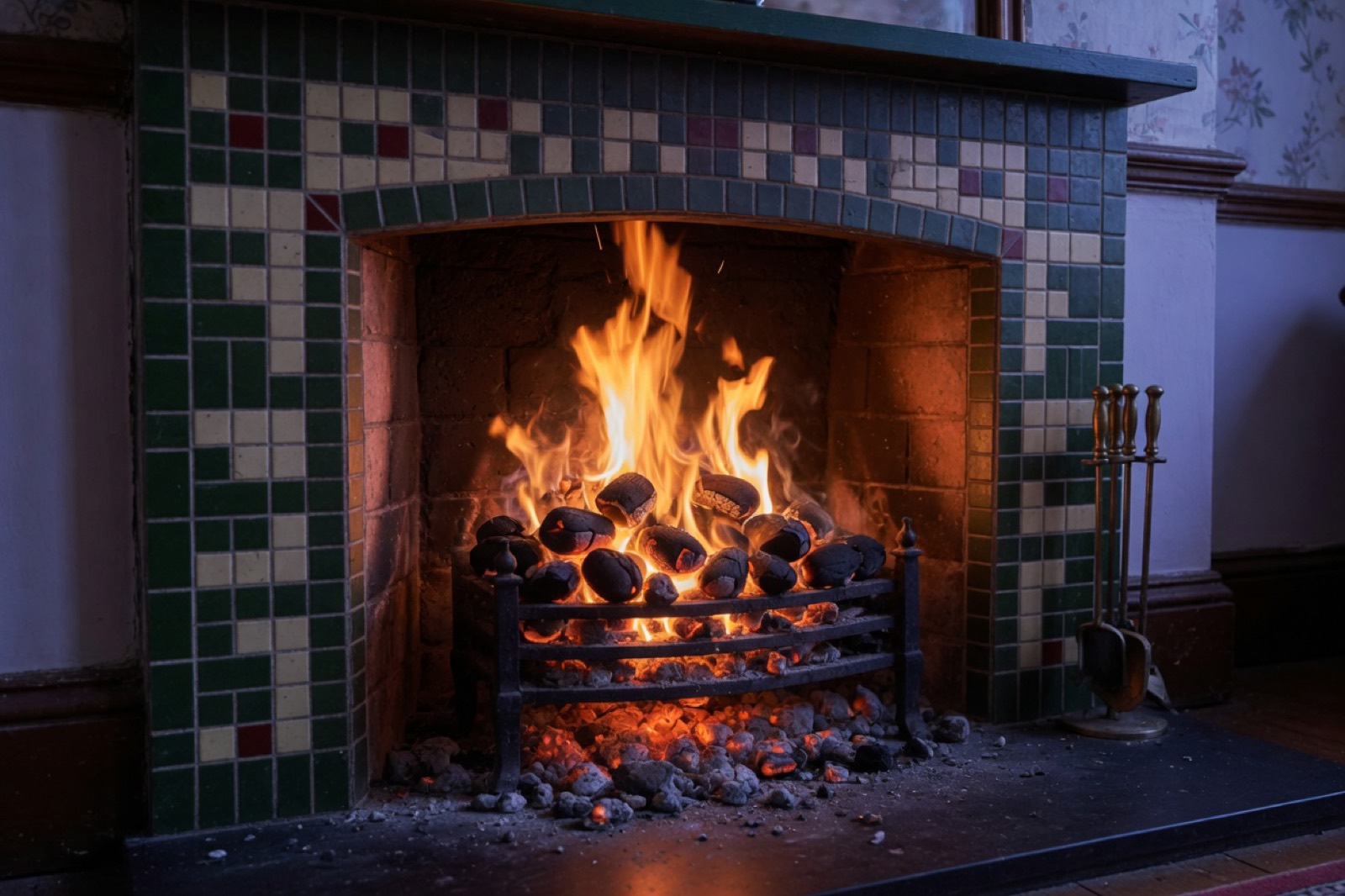
On the board, “grade” for manufactured smokeless fuels is mainly a size word: large or medium briquette. Size changes how the fuel packs, how much air can move through it, and how it behaves in an open fire versus a closed stove. Anthracite is different — those are natural coal sizes (nuts, grains, etc.) and are labelled separately.
Why size matters
Larger briquettes leave bigger gaps. Air moves more freely, so you get a livelier flame and a fire that looks more like traditional coal. That suits open fires and many glass-fronted multi-fuel stoves where you want the picture as well as the heat.
Medium briquettes are a middle ground. They still allow reasonable airflow but pack a little tighter, so the burn is steadier and often a bit longer. They work on both open fires and multi-fuel stoves.
Smaller briquettes pack tightly, restrict air, and tend to glow rather than flame. That gives longer fire life and strong radiant heat, which is why they are often preferred in closed appliances, room heaters, cookers and boilers. None of the fuels currently on the board are the small grade.
Fuels on the board
- Homefire Ovals and Supertherm — large briquettes. Good airflow and a stronger flame picture. Commonly recommended for open fires and multi-fuel stoves.
- Homefire — the classic large briquette, listed on the board separately from Ovals. Same sort of job: open fires and multi-fuel stoves.
- Homefire Brazier — medium, more compact. Designed for open fires and multi-fuel stoves; a practical all-rounder that often scores well on £/kWh.
- Oxbow Excell and Oxbow Red — medium briquettes. Suitable for open fires and multi-fuel stoves; Excell is frequently described as a versatile everyday choice.
Matching the fuel to the appliance
Open fire: larger or medium briquettes that sit well on the grate and let air through underneath. Homefire Ovals, Supertherm, classic Homefire or Brazier are the usual picks from the current list.
Multi-fuel stove: most of the fuels above are suitable. Check the stove manual — some models prefer a particular size or warn against very large pieces that can bridge the grate. Medium grades are often easier in smaller fireboxes.
Closed appliance, cooker or boiler: look for the smaller, tighter-packing grades (not currently on the board). Do not use an open-fire fuel in a wood-only stove unless the manufacturer explicitly allows multi-fuel use.
Always confirm with the appliance instructions and, if you are in a smoke control area, that the fuel is authorised. See smoke control areas and what you can burn.
Running cost is separate from suitability. Once you have narrowed the list to fuels your appliance can take, the price board shows which of those is cheapest per kWh on the packs we track.